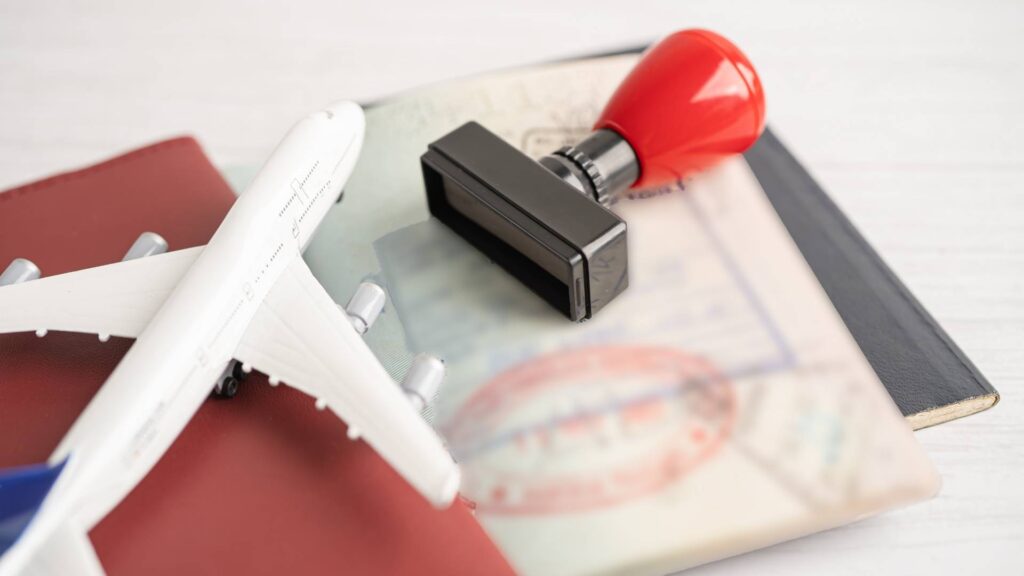
When preparing South African documents for use overseas, the terms apostille and authentication are often encountered. While both processes aim to validate the authenticity of official documents, they are distinct, and the correct choice depends on the destination country’s requirements. Understanding the differences between apostille vs authentication is essential to ensure your documents are accepted abroad.
This guide explores these processes, highlighting their purposes, steps, and when each is required.
What Is an Apostille?
An apostille is a streamlined form of certification used for documents destined for countries that are part of the Hague Convention of 1961. This international treaty simplifies the process of document legalisation among member states, removing the need for further verification once an apostille is obtained.
Documents commonly requiring an apostille include:
- Birth and marriage certificates
- Academic qualifications and transcripts
- Police clearance certificates
- Company registration documents
In South Africa, apostilles are issued by DIRCO (Department of International Relations and Cooperation). The process involves verifying the authenticity of a public document or its certifying authority, such as a notary public.
Once a document is apostilled, it is recognised by all Hague Convention countries without the need for additional certification.
What Is Authentication?
Authentication is a more complex process, required when documents are intended for use in countries that are not members of the Hague Convention. Unlike apostilles, authenticated documents must pass through several stages of verification before they are legally accepted abroad.
The authentication process typically includes the following steps:
- Notarisation or High Court Certification: The document is first verified by a notary public or a High Court official to confirm its legitimacy.
- DIRCO Authentication: The Department of International Relations and Cooperation authenticates the notarial or High Court certification.
- Embassy or Consulate Legalisation: The final step involves the diplomatic mission of the destination country validating the document.
This multi-step process ensures that the document meets the requirements of the specific country where it will be used. Authentication is commonly needed for documents heading to countries such as China, Saudi Arabia, or the UAE.
Comparing Apostille and Authentication
Understanding the differences between apostille and authentication is key to ensuring you choose the correct process:
| Aspect | Apostille | Authentication |
| Applicability | Hague Convention member countries | Non-Hague Convention countries |
| Purpose | Certifies the authenticity of the document for international use | Provides multi-level certification for non-Hague countries |
| Process Complexity | Single-step certification by DIRCO | Multi-step, including embassy legalisation |
| Turnaround Time | Shorter | Longer due to additional stages |
| Final Recognition | Direct recognition by Hague countries | Requires embassy or consulate approval |
Common Scenarios Requiring Apostille or Authentication
South Africans may need to legalise documents for various personal, academic, and business reasons, including:
- Emigration: Residency or work visa applications often require certified personal documents such as birth or marriage certificates.
- Education Abroad: International universities may request authenticated academic transcripts or diplomas.
- Business Expansion: Companies expanding operations overseas may need legalised business registrations, contracts, or tax documents.
- Marriage in a Foreign Country: Couples marrying abroad are often required to provide legalised proof of marital status and identity.
How to Choose the Right Process
Determining whether your documents require an apostille or authentication depends entirely on the requirements of the destination country. Hague Convention member states typically accept apostilles, while non-member states require authentication.
It’s important to consult the guidelines provided by the requesting authority in the foreign country, as they will specify the type of legalisation required.
Challenges and Tips
While the apostille process is relatively straightforward for Hague Convention countries, authentication for non-Hague countries can be time-consuming and involve navigating bureaucratic systems. Here are a few tips to streamline the process:
- Confirm Requirements Early: Before starting, ensure you understand the specific requirements of the destination country.
- Ensure Proper Certification: Documents must be certified by the correct South African authority before they can be apostilled or authenticated.
- Check Document Validity: Ensure your documents are up to date, complete, and ready for processing to avoid unnecessary delays.
- Allow Sufficient Time: The authentication process, particularly when involving embassies or consulates, may take longer than anticipated.
Conclusion
The apostille and authentication processes are vital for ensuring that South African documents are legally recognised abroad. While apostilles are quicker and designed for Hague Convention countries, authentication is required for non-Hague destinations and involves multiple verification stages.
By understanding the differences between these processes, you can ensure your documents meet the requirements of the country they are destined for, avoiding unnecessary delays and complications. Whether for personal, academic, or business purposes, proper preparation is the key to smooth international transactions.