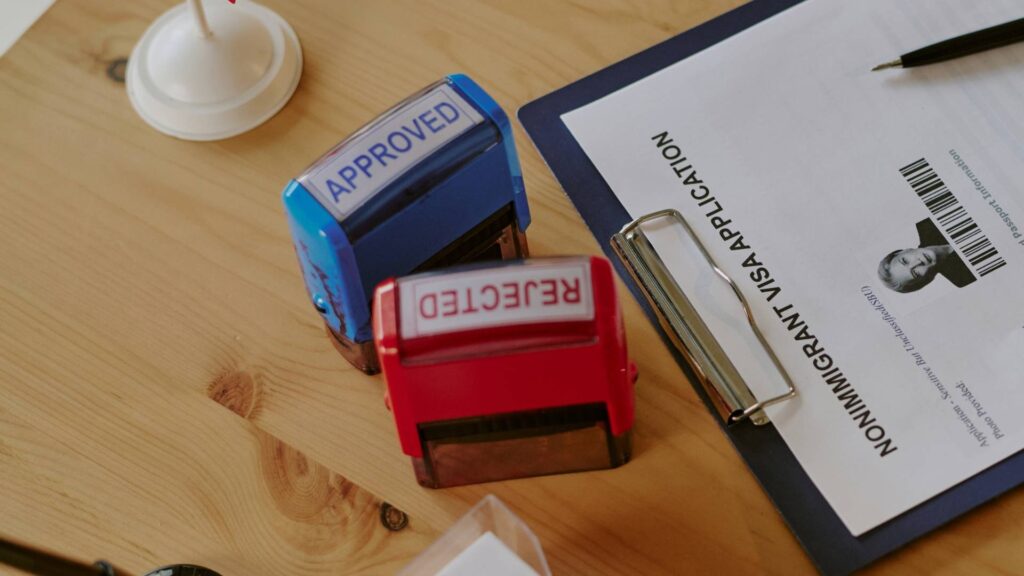
If you need to use a South African document abroad, whether for work, study, marriage, or business, it often has to go through a process known as legalisation. This process confirms that your document is authentic and officially recognised, so that it will be accepted in another country. Because different countries have different requirements, the legalisation process for South African documents can feel confusing at first. In this guide, we break it down step by step so you know exactly what to expect.
What is legalisation?
Legalisation is the process of verifying a South African document for use in another country. It is usually required for documents such as:
-
Birth, marriage, or death certificates
-
Academic records and transcripts
-
Police clearance certificates
-
Court orders and affidavits
-
Business or company registration papers
Essentially, legalisation proves to a foreign authority that the document is genuine and issued by the correct South African department.
Apostille vs authentication
The process you follow depends on whether the country where you are submitting your document is a member of the Hague Apostille Convention.
-
If the country is a member: Your document will be stamped with an Apostille certificate by South Africa’s Department of International Relations and Cooperation (DIRCO). This is the most straightforward route.
-
If the country is not a member: The process is longer. Your document will need to go through authentication. This involves multiple steps, often including verification by DIRCO, the foreign embassy or consulate in South Africa, and sometimes the foreign country’s own authorities.
Step-by-step: The legalisation process for South African documents
Step 1: Ensure your document is the correct type
Not all documents can be legalised in their original form. Some require a certified copy or must be issued in a specific format, such as an unabridged birth certificate instead of an abridged one.
Step 2: Initial verification
Depending on the type of document, it may first need to be verified by the issuing authority. For example:
-
A university degree must be stamped and signed by the university registrar.
-
A police clearance certificate must come directly from the SAPS Criminal Records Centre.
-
A notarially prepared document must be signed and stamped by a registered Notary Public.
Step 3: DIRCO legalisation section
Once the initial verification is done, the document is submitted to DIRCO in Pretoria, where it is either:
-
Apostilled (for Hague member countries), or
-
Authenticated (for non-Hague countries).
Step 4: Embassy or consulate (if needed)
For non-Hague countries, after DIRCO’s authentication, the document often needs to be submitted to the foreign embassy or consulate in South Africa for further stamping or verification.
How long does it take?
Processing times can vary depending on the document type and whether the destination country requires an apostille or full authentication. On average:
-
Apostille certificates may take a few days to a couple of weeks.
-
Full authentication may take several weeks, as it involves multiple offices.
If you are applying from abroad, it’s important to allow extra time for courier services or to use a trusted service provider in South Africa to handle the process on your behalf.
Why use a document concierge service?
While it’s possible to handle the legalisation process yourself, many South Africans find it time-consuming and stressful, especially if they live overseas. A professional service such as RSANotary.co.za can:
-
Ensure you have the correct version of your document
-
Manage verification with the relevant issuing authorities
-
Handle submissions to DIRCO and embassies
-
Save you weeks of waiting and unnecessary back-and-forth
Final thoughts
The legalisation process may seem complicated, but with the right guidance it can be straightforward. Whether your destination country requires an apostille or full authentication, the key is to ensure your documents are correctly issued, properly verified, and submitted to the right authorities.
At RSANotary.co.za, we specialise in helping South Africans legalise their documents quickly and efficiently, no matter where in the world you are.