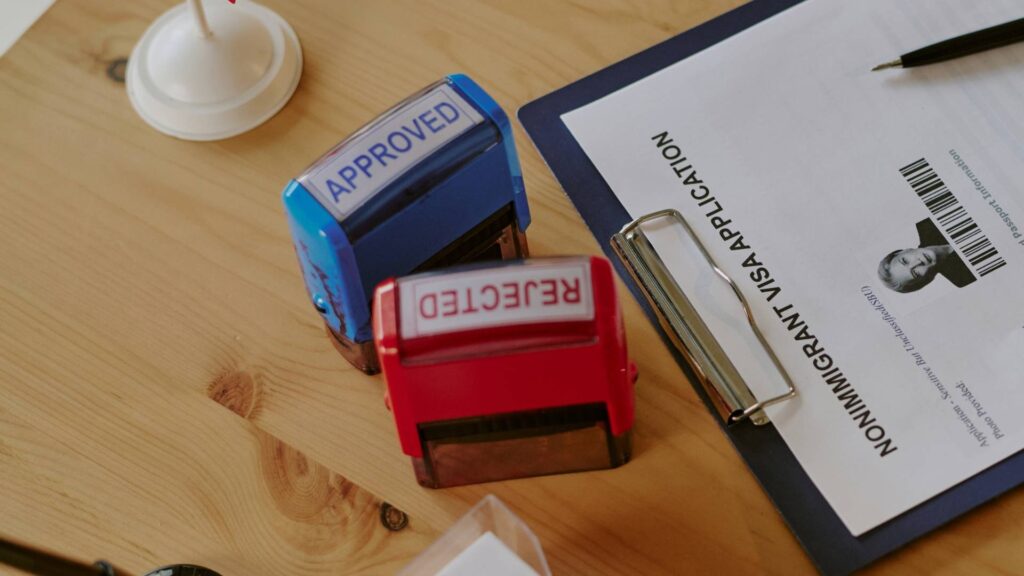
South African enterprises frequently scale operations, form foreign partnerships, or manage cross-border mergers. Whether your company is opening a subsidiary in Europe, bidding for an international tender, or appointing a foreign director, your corporate documentation must be legally recognized outside South African borders. This is where cross-border document authentication becomes crucial.
Navigating foreign legal systems requires a precise understanding of the interactions between a High Court Notary Public in South Africa, government departments, and international treaties. Failing to follow these exact legal channels can jeopardize high-stakes commercial transactions.
Understanding the Hague Apostille Convention vs. Certificate of Authentication
The specific path for legalising corporate documents is determined by the destination country’s participation in international treaties.
If the foreign country where your documents will be used is a member of the Hague Apostille Convention, the process is significantly streamlined. A single Apostille Certificate affixed to your document is all that is required for it to gain legal status abroad.
However, if you are conducting business in non-signatory nations (such as China, UAE, or parts of the Middle East), you must follow a multi-tiered legalisation framework. This involves securing a Certificate of Authentication from DIRCO, followed by a formal attestation stamp from that specific country’s embassy or consulate-general within South Africa.
The core corporate documents requiring notarisation
International compliance frameworks, foreign banks, and overseas regulatory bodies typically require authenticated proof of a business’s legal and financial standing. The most common corporate records that require processing include:
- CIPC Registry Records: Memorandums of Incorporation (MOI), Certificates of Incorporation, and official lists of active directors.
- Corporate Mandates: Board resolutions, signing authorities, and Powers of Attorney (POA) giving foreign agents the power to act on the company’s behalf.
- Commercial Contracts: Distribution agreements, intellectual property licenses, and joint venture contracts.
- Financial Documentation: Audited financial statements, tax clearance certificates issued by SARS, and banking facility certificates.
Cross-border document authentication workflow
To ensure your corporate documents are legally bulletproof, they must proceed through a structured, multi-phase verification process.
First, a specialised High Court Notary Public in South Africa must review the original records. The notary verifies the identities of the signing directors, confirms their legal authority to bind the company, and applies an official notarial seal and certificate.
Next, the notarised documents are presented to the Registrar of the High Court of South Africa within the jurisdiction where the notary practices. The High Court verifies the notary’s signature and active registration, subsequently issuing an Apostille or Authentication certificate. Finally, for non-Hague countries, the paperwork goes to DIRCO in Pretoria for state legalisation before receiving its final stamp from the destination embassy.
Eliminating risk in cross-border document authentication
For corporate legal teams, time is a scarce resource. Attempting to manage this complex pipeline internally often pulls valuable staff away from core operations. Navigating the long queues, specific appointment schedules, and bureaucratic nuances of DIRCO and regional High Courts can cause significant delays that stall vital business transactions.
Furthermore, corporate documents demand absolute confidentiality and strict data security to ensure compliance with the Protection of Personal Information Act (POPIA).
By partnering with a dedicated corporate document concierge service like RSANotary, companies gain an efficient, secure, and compliant solution. Working with authorized agents who possess deep legal expertise and direct access to processing channels ensures that your international contracts, board resolutions, and registration certificates are processed accurately and returned without delay.